Source Flame Retardant Nylon Fireproof Powder for Electronics, Automotive, and Textiles
Compare 30 listings for Flame Retardant Nylon Fireproof Powder with varying forms like powder and liquid. Buyers can evaluate specifications such as phosphorus content, particle size, and packaging options from suppliers in China.
Key considerations
Products List






Comprehensive Sourcing Guide
Strategic Sourcing Guide for Flame Retardant Nylon Fireproof Powder
Understanding Technical Specifications and Material Variants
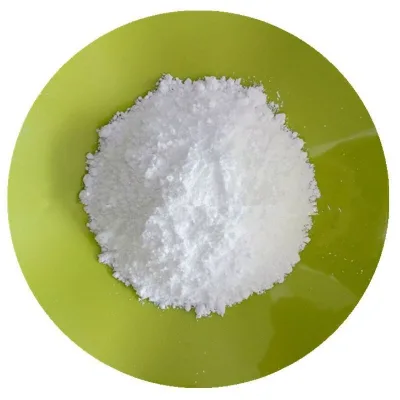
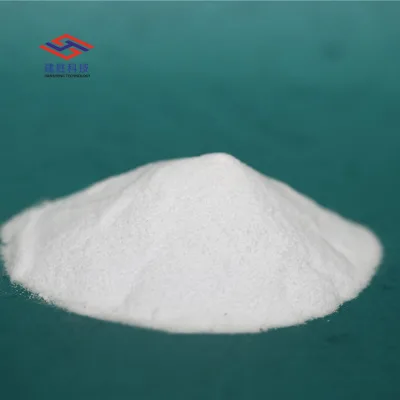
When sourcing Flame Retardant Nylon Fireproof Powder, buyers must first distinguish between the physical forms and chemical compositions available in the market. The supply landscape presents distinct product categories based on appearance and functional properties. One primary variant is characterized as a white powder, specifically designed for applications requiring solid-state flame resistance. This material often carries the model designation XF-8501A and is packaged in 25kg bags on pallets, adhering to a standard of 25kg per bag. Its physical form suggests suitability for compounding processes where dry blending is preferred.
In contrast, the market also offers liquid formulations, such as the product identified by model XF-X2000. This variant appears as a colorless liquid and contains a phosphorus content ranging strictly between 9.0% and 9.8%. The distinction between powder and liquid is critical, as it dictates the mixing equipment and processing temperatures required during the nylon manufacturing phase. Another significant category includes products like TCPP, which is typically supplied in 250kg drums on pallets or in bulk quantities of 20 metric tons per 20-foot general purpose container. The capacity of a single 20-foot container for such liquid additives is noted to be approximately 18 metric tons, whereas other solid variants like ZB2335 may allow for 20 metric tons per container.
Particle size is another defining technical specification that influences the dispersion quality within the nylon matrix. Some high-performance powders, such as those with model number ZB-2335, feature a particle size of 2-3 microns, ensuring uniform distribution and minimizing the risk of agglomeration. Other variants may list a particle size of 10 microns. The purity of the material is equally vital; specifications often indicate a content percentage of 99.9%, with physical appearance conforming to established industry standards. Buyers should verify that the single gross weight of individual packages aligns with the 1.000kg unit weight often seen in sample or small-batch contexts, while bulk orders typically utilize larger packaging units like 25kg paper-plastic bags.
Compliance Framework and Certification Verification
Navigating the regulatory landscape for flame retardant additives requires rigorous verification of environmental and safety certifications. The supply chain for these materials is heavily influenced by international standards regarding occupational health, environmental management, and product safety. High-confidence data indicates that reputable suppliers in this sector often hold ISO 45001 certification for Occupational Health Management Systems, ensuring that the manufacturing environment prioritizes worker safety. Furthermore, ISO 14001 certification for Environmental Management Systems is a common attribute, signaling a commitment to sustainable production practices and waste reduction.
Quality assurance is frequently validated through ISO 9001 certification for Quality Management Systems. This standard ensures that the production processes are consistent and that the final product meets specified requirements for every batch. Beyond management system certifications, product-specific compliance is paramount. Many flame retardant powders are certified under REACH regulations, which is a critical requirement for selling into the European Union. The specific standard "EU Reach" is explicitly noted for certain models, confirming that the substance has been registered and evaluated according to EU chemical safety laws.
Environmental protection standards also play a significant role in procurement decisions. Products are often required to meet RoHS (Restriction of Hazardous Substances) standards, which limit the use of specific hazardous materials in electrical and electronic equipment. The presence of RoHS and Reach standards as dual compliance markers indicates a product designed for global markets where electronic and automotive applications are dominant. Buyers must verify that the "Environmental Protection" attribute is explicitly marked as "Yes" for the specific SKU they are considering. While some background standards like UL94 or EN 11611 are often associated with flame retardant testing, buyers should not assume a product meets these specific test criteria unless the supplier provides a valid, recent test report. The focus should remain on the certifications explicitly linked to the product data, such as the confirmed REACH and RoHS compliance.
Cost Drivers and Economic Considerations
The pricing structure for Flame Retardant Nylon Fireproof Powder is influenced by several dynamic factors, including raw material costs, packaging requirements, and logistical constraints. The observed market price range spans from $2.05 to $11,000, a wide variance that reflects the difference between sample quantities, small industrial batches, and large-scale bulk contracts. The minimum order quantity (MOQ) is a significant cost driver, with observed ranges extending from 1 unit to 5,000 units. For many industrial-grade products, a minimum order of 500kg is standard, which can significantly impact the initial capital outlay for smaller manufacturers.
Packaging costs are embedded in the unit price. Products packaged in 25kg bags on pallets incur different handling and shipping costs compared to those in 250kg drums. The choice of packaging also affects the quantity per shipping container. For instance, a 20-foot container can hold approximately 18 metric tons of liquid additives like TCPP, while solid powders like ZB-2335 may reach 20 metric tons per container. These volume efficiencies directly influence the per-kilogram cost for the buyer. Additionally, the supply ability of the manufacturer, often cited as 100 tons per month, dictates the scalability of the order. If a buyer requires volumes exceeding this monthly capacity, they may face lead time extensions or price premiums for expedited production.
Sample availability is another economic factor. Some suppliers offer free samples within a 4kg limit, allowing buyers to conduct preliminary testing without incurring material costs. However, the shipping costs for these samples are typically borne by the buyer. The "Different Color Point" attribute, which involves dissolving 100 grams of material in alcohol, suggests a specific testing protocol that may add to the technical service costs if specialized analysis is required. Buyers should also consider the decomposition temperature of the material, which is noted to be greater than 170 degrees Celsius for certain variants. Materials with higher thermal stability may command a premium price due to the advanced processing capabilities they offer in high-temperature nylon applications.
Typical Applications and Performance Requirements
Flame Retardant Nylon Fireproof Powder is primarily utilized in industries where fire safety is a critical performance metric. The "Kind" of product is explicitly defined as "Plastic Flame Retardant," indicating its specific function in modifying the flammability characteristics of polymer matrices. The most common application is in the automotive sector, where nylon components must meet stringent fire safety regulations. The carrier material for these additives is often Polypropylene (PP), suggesting compatibility with a broad range of thermoplastics beyond just nylon.
The functional requirement of "Flame Resistance" is the core value proposition of these materials. In applications such as electrical connectors, cable insulation, and automotive under-hood components, the material must resist ignition and self-extinguish once the flame source is removed. The decomposition temperature of >170°C is a crucial parameter for processing; it indicates the thermal stability of the additive during the extrusion or injection molding of nylon. If the processing temperature exceeds this threshold, the additive may degrade, losing its effectiveness or releasing harmful byproducts. Therefore, buyers must ensure their processing equipment can maintain temperatures within the safe operating window of the specific additive.
The physical appearance, whether white powder or colorless liquid, also influences application suitability. White powders like XF-8501A are ideal for applications where the final product color is not critical or where the additive can be easily masked. Colorless liquids like XF-X2000 are often preferred for transparent or light-colored nylon parts where pigment addition is undesirable. The particle size of 2-3 microns ensures that the additive does not compromise the mechanical properties of the nylon, such as tensile strength or impact resistance, which can be a concern with larger particle sizes. The "Industrial Grade" standard confirms that these materials are designed for high-volume manufacturing rather than specialized laboratory use.
Supplier Evaluation and Capacity Assessment
Selecting a reliable supplier requires a thorough evaluation of their production capacity and logistical capabilities. The observed production capacity for key suppliers in this sector is 30,000 tons per year, a figure that suggests a robust ability to handle large-scale orders without significant bottlenecks. However, buyers should verify if this capacity is dedicated to flame retardant additives or if it is shared across a broader product portfolio. The supply ability of 100 tons per month provides a baseline for expected delivery schedules, but buyers must confirm if this figure is consistent or if it fluctuates based on raw material availability.
Geographic origin is a critical factor in supply chain risk management. The majority of the observed products originate from China, with specific manufacturing hubs identified in Shandong. This regional concentration can offer cost advantages due to established supply chains but may also introduce risks related to geopolitical stability or shipping disruptions. Buyers should assess the supplier's ability to manage logistics from these origins, including their experience with exporting to their specific target market. The delivery date is typically cited as 15 days, which serves as a benchmark for lead time expectations. However, this timeline may vary based on order volume, customization requirements, and current port congestion.
Customization is a key differentiator among suppliers. The availability of customization options allows buyers to tailor the flame retardant powder to their specific processing needs, such as adjusting particle size or modifying the phosphorus content. Suppliers that offer free samples within a 4kg limit demonstrate confidence in their product quality and a willingness to support the buyer's qualification process. When evaluating suppliers, buyers should request evidence of their ISO 9001, ISO 14001, and ISO 45001 certifications, as well as REACH and RoHS compliance documents. These certifications are not merely administrative; they are indicators of a supplier's commitment to quality, environmental stewardship, and worker safety.
Quality Control and Long-Term Procurement Strategy
Implementing a robust quality control (QC) strategy is essential for maintaining the integrity of the final nylon product. The "Packing Details" often specify 25kg paper-plastic bags, which must be inspected for integrity upon receipt to prevent moisture contamination. Moisture can significantly degrade the performance of flame retardant additives, particularly those with high phosphorus content. Buyers should establish a protocol for testing incoming batches for particle size consistency, color, and chemical composition, specifically verifying the phosphorus content range of 9.0-9.8% for liquid variants.
Long-term procurement considerations involve building a resilient supply chain that can adapt to market fluctuations. Given the wide price range observed, buyers should negotiate contracts that include price adjustment mechanisms tied to raw material indices. The minimum order quantity of 500kg for many products suggests that buyers should consolidate orders to achieve economies of scale. Additionally, the "Different Color Point" test, which involves dissolving material in alcohol, can serve as a quick in-house QC check for batch-to-batch consistency.
Sustainability is becoming an increasingly important factor in procurement decisions. With certifications like ISO 14001 and standards like RoHS and Reach, buyers can align their sourcing with corporate sustainability goals. The "Environmental Protection" attribute being marked as "Yes" confirms that the product is designed to minimize environmental impact. However, buyers should remain vigilant about the specific environmental regulations in their target markets, as these can evolve rapidly. Establishing a long-term relationship with a supplier who demonstrates flexibility in customization and a strong track record of compliance will mitigate risks and ensure a steady supply of high-quality flame retardant nylon powder.
Summary of Key Procurement Parameters
| Parameter | Typical Observation | Verification Requirement |
|---|---|---|
| Product Form | Powder (White) or Liquid (Colorless) | Confirm physical state matches processing needs. |
| Key Standard | RoHS, REACH, ISO 9001/14001/45001 | Request valid certificates for current year. |
| Packaging | 25kg/Bag or 250kg/Drum | Check for moisture barrier integrity. |
| Min. Order Qty | 500kg (Typical) | Confirm if lower MOQs are available for samples. |
| Lead Time | 15 Days | Verify against current production schedule. |
| Origin | China (Shandong) | Assess logistics and import compliance. |
| Phosphorus Content | 9.0-9.8% (Liquid) | Test incoming batches for chemical consistency. |
| Particle Size | 2-3 Micron or 10 Micron | Verify dispersion quality in lab trials. |
By adhering to these evidence-based guidelines, buyers can navigate the complex market for Flame Retardant Nylon Fireproof Powder with confidence, ensuring that their procurement decisions are grounded in verified data and aligned with their specific technical and operational requirements.
FAQs
What certifications do Flame Retardant Nylon Fireproof Powder suppliers hold?
Suppliers typically hold ISO 9001, ISO 14001, and ISO 45001 certifications for quality, environmental, and occupational health management. Many products also carry REACH and RoHS compliance to meet global safety standards for hazardous substances.
How is the minimum order quantity determined for this product?
The minimum order quantity varies by supplier, with observed ranges from 1 unit up to 5000 units. A common industrial standard for bulk orders is a minimum of 500kg, though some vendors may offer smaller sample quantities.
Can I get free samples of the flame retardant powder?
Yes, some suppliers provide free samples within a 4kg limit to allow for preliminary testing. Buyers should note that while the material may be free, shipping costs for these samples are typically borne by the purchaser.
What are the standard packaging options for this material?
Packaging options include 25kg bags on pallets for powders and 250kg drums on pallets for liquids. Bulk shipments often utilize 20-foot containers, which can hold approximately 18 to 20 metric tons depending on the product density.
What is the typical delivery time for orders of this product?
The standard delivery date is typically 15 days from order confirmation. This lead time may vary based on order volume, customization requirements, and current logistical conditions at the manufacturing origin in China.
Which specifications define the particle size of the powder?
Particle sizes vary by model, with some high-performance variants featuring a size of 2-3 microns for better dispersion. Other models may list a particle size of 10 microns, affecting how the additive mixes within the nylon matrix.
What is the annual production capacity of the manufacturers?
Key suppliers in this sector often report an annual production capacity of 30,000 tons. This capacity supports large-scale orders, though monthly supply ability is often cited around 100 tons per month for consistent delivery.
Does the product offer customization options for specific needs?
Customization is available for buyers requiring tailored specifications such as adjusted particle size or phosphorus content. This flexibility allows manufacturers to meet specific processing requirements for different nylon applications and industry standards.